


Page 178 - GIS for Science, Volume 3 Preview
P. 178
AT THE HEART
Thanks to generations of curious, daring, intrepid explorers of the past, we may know enough, soon enough, to chart safe passage for ourselves far into the future.”
—Sylvia A. Earle
Without the ocean, human life on Earth would be impossible. The ocean covers more than 70 percent of our planet and is one of our most critical life-support systems. It generates the oxygen we breathe and provides the food we eat. It regulates our climate and weather, and anchors livelihoods for billions of people. While the ocean’s resources are vast, they are not inexhaustible. Increasing global threats, such as overfishing, pollution, and global warming, are pushing the ocean to a tipping point beyond which we may never recover. The loss of biodiversity, together with climate change, are the most urgent global crises affecting our planet today. We cannot protect our planet—or our own health and well-being—without protecting the ocean.
It’s easy to feel discouraged when thinking about the enormity of Earth’s most pressing problems, but we are not without hope. As oceanographer and National Geographic Explorer-at-Large Sylvia Earle states, “Knowing is the key to caring, and with caring there is hope that people will be motivated to take positive actions. They might not care even if they know, but they can’t care if they are unaware.”
In this context, young people are one of the most powerful resources for hope.
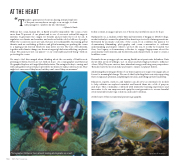
Nathaniel Soon, a student at Yale-National University of Singapore (NUS) College, works tirelessly to ensure the planet’s blue heart is protected for future generations. Motivated by an innate curiosity of the ocean, Soon combines his passion for documentary filmmaking, photography, and ocean conservation to cultivate understanding and inspire others to protect the sea. It is why he founded Our Seas, Our Legacy, a documentary collective to engage Singaporeans about the area’s marine environments and biodiversity, and educate them on ways to create a healthier ocean.
Research shows young people are among Earth’s most passionate defenders. Data shows they are most willing to act on issues and have high potential to influence others. Why? They are curious, have abundant energy, and bring new perspectives. They also have the most at stake and want to ensure our planet thrives.
Addressing the pressing problems of our time requires us to support young people as forces for meaningful change. We can do that by fueling their curiosity, supporting their energy and optimism, amplifying their ideas, and lifting up their leadership.
Educators, experts, mentors, and families can all serve as essential role models to help cultivate an explorer’s mindset and launch them into a life of purpose and hope. This community, combined with immersive learning experiences and innovative tools, can empower and equip the next generation to reverse harmful environmental trends, forge solutions, and scale bold ideas.
At the heart of this monumental pursuit is geography.
   166
GIS for Science
Photographer Nathaniel Soon at work making photographs on a reef.
Species & location?
“


